
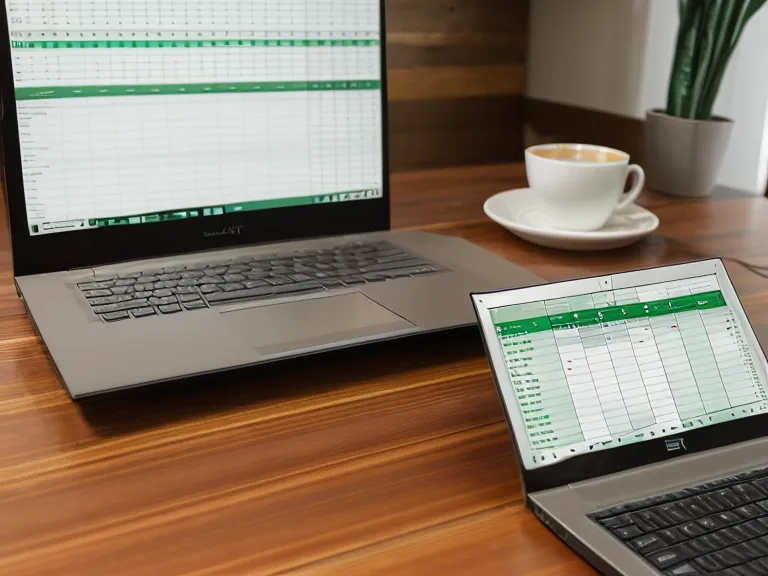
My tracking sheet has fourteen columns, and only three of them are actually about the fresh dog food in the bowl. The rest cover weight, stool grade, sleep, energy, and a running note on whichever supplement or pet telehealth subscription is currently in rotation. Somewhere between the second and third fresh food subscription I tried on a senior dog, guessing stopped being good enough, and pet health tracking turned from a hobby into something closer to a job.
Quick note before the breakdown: some of the food, supplement, and telehealth links below are affiliate links, and if you sign up through one I earn a small commission at no extra cost to you. I've paid for and used every service mentioned here with my own dogs, Banjo and Pickle, because I don't trust a column of data enough to write about it otherwise.
The Four Columns That Actually Matter for a Senior Dog
Before there was a spreadsheet, there was an app. I downloaded one that promised to build a custom meal plan and shopping list from Banjo's weight and activity level, the kind of tool that looks brilliant in the screenshots. What it actually produced was a grocery list that, added up, cost more per week than the fresh food subscription I was already paying for, and it still couldn't tell me whether his energy or his coat were improving. I deleted it inside a month and opened a blank spreadsheet instead.
The sheet settled into four columns that do most of the real work: weight, stool grade on a one to five scale, energy, and sleep. Weight and stool grade get logged every morning, energy and sleep get a note whenever something shifts, good or bad. Tara Bousfield, who I know through the West Asheville dog owners group on Facebook and who checks in with me every time she starts a new supplement trial, asked once why I bother grading poop instead of just watching whether the bowl gets finished. The honest answer is that a dog will clean his bowl for days on a recipe that isn't actually working for him before it shows up anywhere else. Why Banjo's kidney numbers mattered enough to start any of this is a longer story about protein and phosphorus that belongs in its own piece.
Weight, Not Vibes, Decides If a Fresh Food Recipe Is Working
A new recipe can look better before it proves anything. When we moved Banjo onto a whole food recipe from JustFoodForDogs, the difference in smell and texture against a bag of kibble was obvious, and for a while that alone was almost enough to convince me the switch was working. Texture and smell earn a note on the sheet, but they don't decide anything by themselves. Fresh, frozen, or gently cooked, the format tradeoffs between brands are a big enough topic to deserve their own comparison, so I keep that analysis in a separate tab rather than folding it into the daily log.
The scale is what actually settles it. There's a small click when the kitchen scale resets to zero before I portion out the next bowl, a sound that's become as automatic to me now as pouring my own coffee. The morning it finally read fifty eight point four pounds on Banjo, the exact number his vet had circled as a target, the weight column had already been trending that direction for a stretch. The scale just confirmed what the sheet was already saying.
Where Sleep and CBD Notes Live on the Tracking Sheet
Sleep is the column I almost skipped, and it turned out to matter as much as weight. Restlessness and pacing get logged as a single check mark most nights, nothing more, so the pattern shows up in the count instead of a paragraph I'd never have time to write. Once we added ElleVet Sciences to the routine, the CBD entry gets its own note on whether the dose was a one-off before a stressful evening or part of the daily habit, because folding situational and daily use into a single column would make the sleep data meaningless. What's actually happening in a dog's body when CBD helps with rest is a mechanism I leave to the piece built to cover it properly, not a paragraph tacked onto a spreadsheet post.
What Happens Before and After a Pet Telehealth Call?
A telehealth visit gets logged twice, once going in and once coming out. Before the call, I write down what prompted it, how long it's been going on, and what the sheet shows for the days around it. After, I log what the vet said, whether it changed anything on the feeding or supplement side, and whether the call ended in reassurance or a referral. That before and after pair is what makes the Maven Pet entries useful months later instead of just a memory of a stressful afternoon. Deciding whether a symptom is worth a telehealth call at all, versus one that needs a same-day clinic visit no matter what, is a judgment call nuanced enough that I've written about it on its own.
Keeping Prevention and Food Swaps on Separate Rows
Parasite prevention gets its own row, kept separate from anything about food, on purpose. Heartworm and flea doses come from Canada Pet Care most months, with Best Vet Care as the fallback when a specific brand runs out, and logging the exact day each dose was given keeps me from blaming a new recipe for a stomach issue that's actually the pill. Whether the generics from an international pharmacy are trustworthy enough for an older dog, and what it actually takes to get a prescription authorized through one, are both questions that deserve a real answer rather than a footnote here. Working out the true ongoing cost of running two dogs on a fresh food subscription is a similar rabbit hole I keep in its own tab, because mixing it into the health columns muddies both.
For a sensitive gut like Pickle's, the food side of that row moves slowly no matter what the bag's instructions say, and exactly how gradually I introduce a new recipe or a new probiotic is detailed enough to need its own walkthrough instead of a summary here. What lands on this sheet instead is simpler: how many stool grades below a three she logs in the days after a change, and whether that number trends back up or stays stuck.
If you want the mechanics behind either of those pieces, I've written up the day by day version in switching dog food without the mess, and the fuller breakdown lives in using pet telehealth for senior dogs, for the days the local clinic is booked solid.
Reading the Sheet Before You Trust a Single Number
A single bad entry doesn't mean anything on its own. One loose stool, one skipped nap, one day of low energy: none of that moves the needle until it repeats for three or four days running or shows up alongside a second column moving the same direction. That's the actual rule I use before I pick up the phone. Two columns moving together beats one column moving a lot, and a weight drop paired with a stool grade under three gets a same-day Maven Pet call, no waiting to see if it resolves on its own.
None of this requires a nutrition background or a fancy subscription to any app. A notebook works as well as a spreadsheet if you actually fill it in every day. Pick your four columns, weigh at the same time each morning, and give the pattern a few days before you trust a single number over what the rest of the sheet is telling you.