
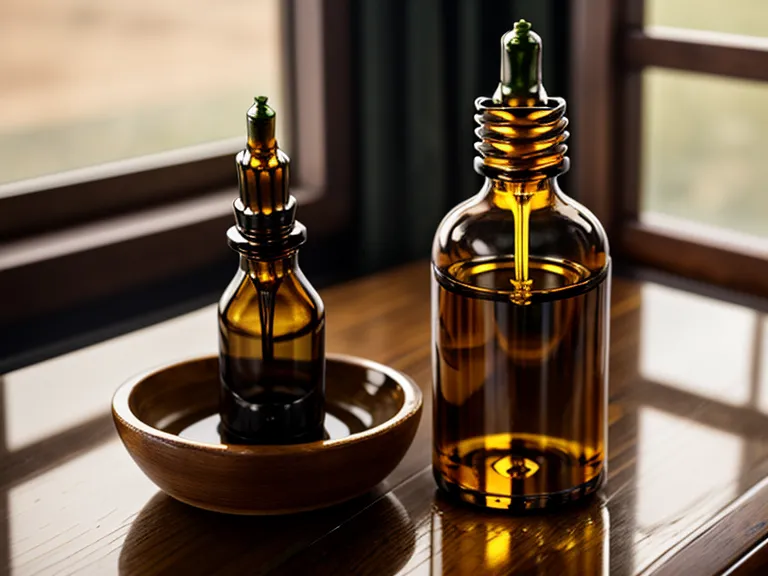
Banjo's CBD dropper bottle sits three-quarters full on the kitchen counter, refilled on schedule now instead of forgotten behind the coffee maker. That's the short version of what changed for my senior dog's sleep: not a different ingredient so much as consistency he could actually count on, night after night.
A note before any of this goes further: most of the dog food, supplement, and telehealth names below are affiliate links, meaning a brand pays this site a small amount if you sign up through one, at no extra cost to you. Every product mentioned got tested on my own card, on my own dogs, Banjo the shepherd mix or Pickle the beagle, before I wrote a word about it. The longer breakdown lives on the About page.
Generic CBD Sounded Like the Easy Fix
Money on the pet side of the budget was already tight. Banjo's early kidney numbers had me feeding JustFoodForDogs's kidney-support recipe, which runs noticeably more per day than a bag of kibble ever did, so a CBD subscription on top of that felt like one more monthly hit. Going the pharmacy route seemed like the obvious way to keep costs down.
I ordered a couple of bottles from Canada Pet Care and Best Vet Care, the same two pharmacies I already trusted for heartworm prevention, since their pricing consistently beats the chain pet stores near me. Hemp extract felt like a natural add-on to that cart, cheap enough that trying it barely registered as a real decision.
Both bottles claimed to sit inside the legal hemp threshold for CBD, and I believed them. What I couldn't tell from the label was whether the actual dose in the dropper matched what was printed on it, bottle to bottle. Some nights Banjo settled faster than usual. Other nights, especially during a storm, the oil might as well have been water. There was no pattern I could find in my notes, and a tracking sheet with no pattern isn't telling you a product works — it's telling you something about it is inconsistent.
Pet Telehealth's Real Value
By midwinter I was done guessing. The Asheville clinic had a multi-week wait for anything non-urgent, so I logged into my Maven Pet subscription and got a same-week video visit instead of driving anywhere. I pulled up the tracking sheet and pointed the vet straight at the pacing column.
That's the actual case for a telehealth add-on: not replacing a regular vet, but covering the gap when the local office is booked solid and your dog is pacing at midnight regardless of the calendar. She looked at the notes, asked a few questions about Banjo's joints and his memory lately, and steered the conversation somewhere the generic bottles hadn't.
CBDA and the Entourage Effect, in One Breath
The vet mentioned CBDA, the raw compound most generic oils skip in favor of straight CBD, and pointed me toward ElleVet Sciences specifically because of their published clinical trial work with Cornell's veterinary school. She used the term entourage effect — cannabinoids working better together than any one of them alone — and left it there instead of turning the call into a chemistry lecture, which I appreciated.
I'm not going to pretend I fully understand the science behind it, and I'd rather not guess at mechanisms I can't verify from my own kitchen table. What I can tell you is what it looked like from the outside: saving thirty bucks on a generic bottle stopped feeling like savings once I noticed how much of it wasn't doing anything I could measure.

What My Tracking Notebook Caught About Potency
Four years of writing down pacing incidents, stool notes, and appetite blips in the spiral notebook I've labeled Bowls and Numbers taught me to trust the page over my gut feeling. When I compared lab results across a few months of ElleVet refills, the CBD and CBDA levels barely moved bottle to bottle. The generic pharmacy oils never gave me that kind of paper trail to check against in the first place.
My neighbor Jill, who trades dog-sitting shifts with me most weekends, rolled her eyes at yet another subscription box showing up on my porch, right up until I showed her those notebook pages side by side. Numbers convince her faster than any brand claim does, and once she saw how flat the ElleVet lines sat next to the generic bottles' zigzag, she stopped arguing.
None of this replaces good record-keeping on your own dog. I only trust the pattern because of the notes I kept while managing Banjo's care during the vet shortage, the same habit that later made it obvious whether telehealth check-ins were worth keeping alongside the food delivery windows.
The Senior Dog Sleep Difference, Once Dosing Held Steady
There's a specific morning I still think about, gray and drizzly, when Pickle went up the back porch steps two at a time instead of hanging back by the door the way she used to whenever Banjo had had a rough night. She's four, and she'd been picking up on his pacing longer than I'd given her credit for. Watching her clear those steps without a second thought told me more than any lab result did.
Some nights the last chore before the dropper comes out is rinsing the water bowls, the cold rim of stainless catching against a knuckle as I stack them to dry by the sink. Small routine, but it's the same routine every night now, which is sort of the whole point: nothing dramatic, just steady.
The cost comparison mattered here too, not just the dog's mood. A cheaper CBD subscription that only works some nights isn't actually cheaper once you count the nights you're up anyway. It's the same math as a streaming subscription quietly auto-renewing for a show nobody in the house watches anymore, except the stakes here are a dog who can't tell you he's uncomfortable.

Generic or ElleVet: How I'd Decide Now
Storm season came back around, the kind of humid, stormy afternoon that used to send Banjo pacing the hallway for hours. Paired with the kidney-friendly diet from JustFoodForDogs, he handled it differently this time: he found his spot, waited it out, and went back to sleep after. He still doesn't love thunder. He just doesn't fall apart over it anymore.
Not every trial in this house works out, and I'd rather admit that than pretend every product on this site was a win. A freeze-dried raw topper marketed at picky eaters sat in Banjo's bowl untouched for three nights running before I gave up and set the rest of the bag aside. Trial and error is just the cost of doing this honestly, whether it's a food topper or a CBD bottle.
A reader named Faye Elmore, who's traded notes with me by email since the piece on early kidney numbers went up, sent her usual message with one line highlighted at the top: is the pricier CBD worth it, or just marketing? My answer is this: if a generic bottle is giving you results you can't predict from one week to the next, and the inconsistency itself is the problem, a formula built around published dosing charts and batch testing is worth pricing out. If your dog is settling fine on the cheap stuff, there's no reason to switch.
If you're standing in that same spot, comparing a cheap bottle against a specialist one, my actual advice is to track two full months before deciding anything. Write down the pacing, the good nights and the bad ones, and let the pattern make the call instead of the price tag. That's the only method that's worked in this house, on two very different dogs.