
One chilly mid-morning in Asheville, I watched Pickle, my usually food-motivated beagle, ignore her bowl and retreat to her bed instead of heading for our usual mountain trail. It was mid-November, and the air had that sharp, clean bite that usually sends her into a sniffing frenzy, but she just looked at me with those heavy, soulful rescue eyes and sighed. As a 38-year-old who spends my days in user experience research, my first instinct wasn't to panic, but to check the data.
Before we dive into the receipts and the energy logs, a quick heads-up: many of the links you’ll see here for dog food and pet health services are affiliate links. If you decide to sign up for a subscription through one, I earn a commission at no extra cost to you. I’ve personally tested everything I mention with my own credit block-e545eb and my own dogs—Banjo and Pickle—because I don’t believe in reviewing anything that hasn't actually been in a bowl on my kitchen floor. You can find the full transparency notes on my About page.
The Beagle Slump: Why My Spreadsheet Flagged a Problem
I’ve been tracking my dogs' health for about 18 months now, ever since my 9-year-old shepherd mix, Banjo, had some early kidney numbers that made me rethink everything. I keep a Google Sheet that would make most people’s heads spin, logging weight, stool quality, and an arbitrary energy score from one to ten. Pickle, who is four and a rescue, usually sits at a solid eight. By early January, she was hovering at a four. Her 'beagle zoomies' had vanished, and she was starting to look a bit bloated after her morning kibble.
Standard nutrition advice often fails for rescue dogs like Pickle. She has some lingering anxiety-induced digestive issues; when she gets stressed, her stomach shuts down. I realized that the heavy, grain-based kibble I was using—even the high-end stuff—was sitting in her gut like a lead weight. Beagles are scent hounds with incredibly high metabolic needs, but that can be masked by lethargy if their diet is too high in simple carbohydrate fillers. I needed something that looked more like real food and less like a burnt biscuit.
The Switch to Ollie: Turkey, Beef, and Real Rosemary
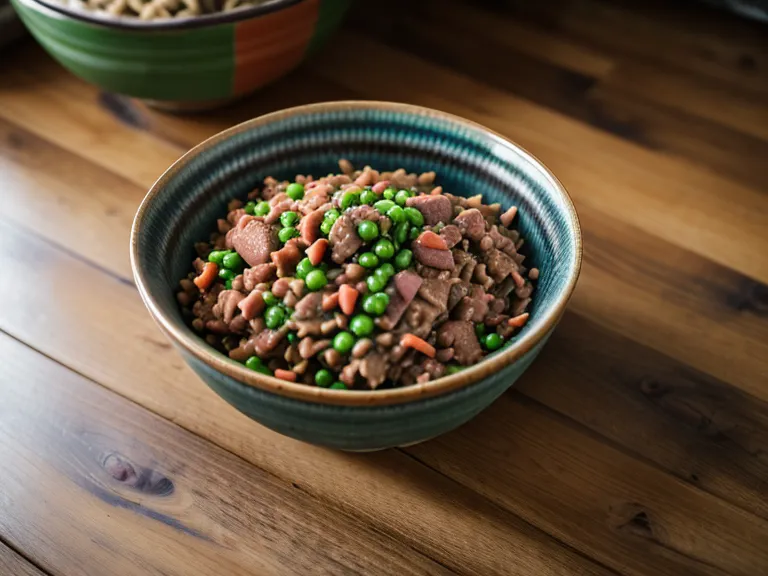
I decided to pivot to Ollie’s fresh-cooked recipes, specifically their turkey and beef blends. I’d rotated through a few brands in my 18-month tracking journey, but Ollie’s portioning felt the most precise for a dog like Pickle, who can gain weight if you even whisper the word 'treat.' When the first box arrived, I noticed the distinct, earthy smell of real rosemary and peas when peeling back the vacuum-sealed lid. It actually smelled like human-grade stew, which is a far cry from the metallic scent of canned food.
The first thing that struck me was the moisture content. Most fresh food sits around 70% moisture, which is a massive upgrade from the 10% you get in dry kibble. For a dog with a sensitive system, that hydration is a game-changer for digestion. I started seeing the difference in Banjo, too. My senior shepherd started sitting perfectly still by the fridge every time I opened the crisper drawer, sensing the fresh food upgrade. He knew the difference before I even finished my first cup of coffee.
If you're looking for a similar whole-food approach but want something formulated for specific health hurdles, JustFoodForDogs is another one I’ve kept in the rotation, especially when I’m looking for veterinary-grade recipes. You can read more about my experience with Choosing JustFoodForDogs Renal Support Over Standard Fresh Food Plans if your dog has specific clinical needs.
The Mid-Trial Failure and the Turning Point
It wasn't all seamless, though. There was the night I forgot to move the next Ollie pack from the freezer to the fridge. I ended up trying to thaw it in a bowl of warm water, but I ran out of patience and served a half-frozen block. Pickle just stared at it with deep, soulful disappointment, eventually licking the edges but leaving the icy center. It was a reminder that these subscriptions are like a coffee club—it only works if you actually manage the inventory. I’ve since learned to keep a two-day buffer in the fridge.
By late February, the data in my spreadsheet started to shift. Pickle’s energy score climbed back to a seven, then an eight. One rainy morning in March, I caught her clearing the backyard fence for the first time in over a year. It was a physical manifestation of the energy spike I'd been logging. The surprising lack of mid-afternoon bloating in her stomach was the most telling sign; she was processing the food instead of just carrying it around.

Refining the Routine with Data and Telehealth
Managing a rescue dog’s health is a bit like being a detective. You have to look for the small clues. I’ve found that reading dog food ingredient lists carefully is only half the battle; the other half is monitoring how they actually use those calories. The Association of American Feed Control Officials (AAFCO) sets standards for 'adult maintenance,' but every dog has a different baseline for what 'maintenance' looks like.
Because the local Asheville clinics have been so backed up lately, I’ve also leaned heavily on my Maven Pet subscription. Having AI-driven daily behavior tracking and same-week telehealth visits means I don't have to guess if Pickle's energy dip is a medical emergency or just a dietary slump. It pairs perfectly with the fresh food transition because I can share my energy logs directly with a vet during a video call. If you're curious about how I keep all this organized, you might find my notes on Why My Spreadsheet and a Telehealth Subscription Finally Stopped My Late-Night Health Panic helpful.
Final Thoughts on the Ollie Transition
Six months into this specific switch, the results are holding steady. Pickle is leaner, her coat has a shine that wasn't there during her kibble days, and her stool quality is remarkably consistent—which, as any dog parent knows, is the ultimate indicator of gut health. We’ve settled into a rhythm where the food delivery feels less like a chore and more like part of our Sunday meal prep. I’m no longer worried about her 'slumps' because I know exactly what’s going into her bowl.
If you're dealing with a rescue dog who seems 'low energy' or just uninspired by their food, it might not be their personality—it might be their fuel. I'd suggest checking out the current recipes and plans over at Ollie to see if a fresh-cooked approach might kickstart those beagle zoomies again. Prices and recipe options change based on your dog's weight and activity level, so it’s worth heading to their site to get a custom quote for your own pack.