
A three-week wait for a vet appointment used to mean guessing what was wrong with Banjo; a telehealth call and a kitchen scale mean I don't have to guess anymore. That's the short version of how data-driven dog parenting reshaped senior dog care in this house, not through one dramatic fix but through fresh dog food, pet telehealth, and a spreadsheet that finally started talking back.
Quick disclosure before the details: several of the links below, for fresh food, supplements, and telehealth, are affiliate links. If you subscribe through one, I get a small commission and you pay the same price you would anyway. I've paid for every subscription mentioned here myself, and Banjo and Pickle have eaten, slept through, or occasionally ignored every product in this post.
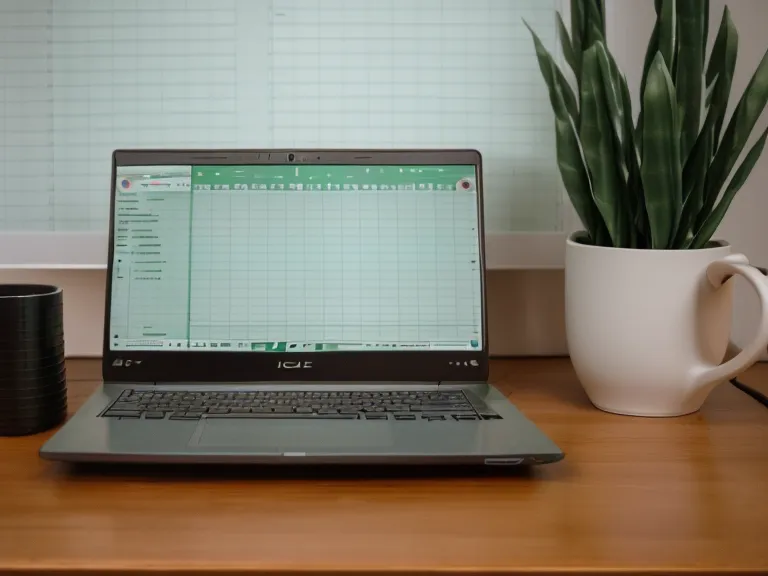
The tracking habit didn't start with telehealth. It started in 2022, after a $400 emergency vet visit told us Banjo needed a diet change. I built a Google Sheet tracking method to log stool quality, energy, and weight across both dogs, the kind of habit that carries over easily from research work into a kitchen. A friend from a local dog owners' group, Tara Bousfield, DMs me every time she starts a new supplement trial on any of her three dogs, comparing results against her own version of that same kind of sheet, and that back-and-forth is part of why the habit stuck.
Telehealth Became Non-Negotiable, Not Optional
Getting Banjo seen for anything short of an emergency became close to impossible once our local clinic stopped booking same-week appointments. A senior dog with shifting kidney markers doesn't have the luxury of a three-week wait, and pretending otherwise wasn't a strategy, it was denial with a calendar.
That's when Maven Pet earned a permanent spot in the routine, not just for video calls but for a system that takes my manual notes and finds patterns I'm too tired to catch on a Tuesday night. Knowing exactly when a video call is enough and when the situation needs an in-person vet is its own judgment call, one worth a detailed answer somewhere else, but that particular night, a call was enough.
One stretch this year stands out. Banjo developed a wet, rattling cough in the middle of a summer storm, the kind of night that used to mean a frantic drive to the emergency clinic. This time I opened the app instead, and a licensed vet was on my screen within minutes. We didn't need another $400 visit, we needed a change to his environment and a follow-up the next morning. That gap between worrying and acting is where telehealth earns whatever it costs.
What Fresh Food Actually Changed at the Bowl
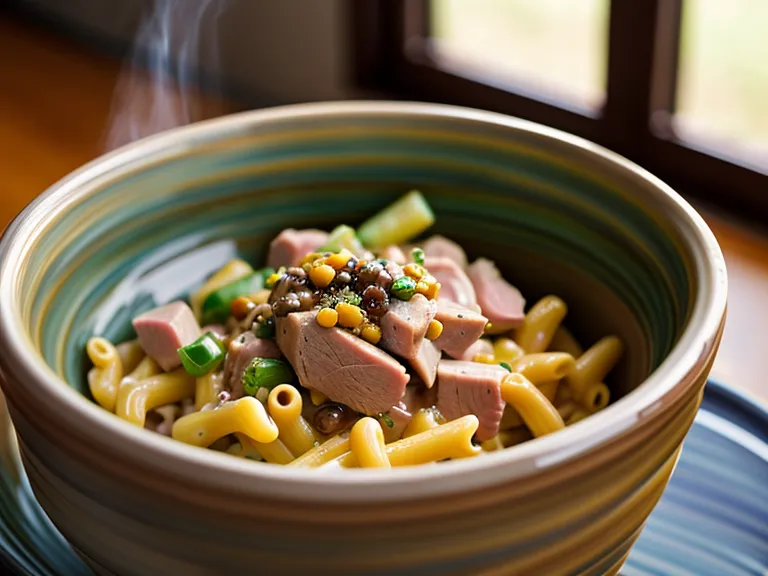
We've rotated through most of the big fresh-food names over the past year and a half, but we've stuck longest with JustFoodForDogs. There's a specific, faintly earthy smell of turkey and macaroni warming on the stove that means dinner now, more than any crinkling kibble bag ever did. Pickle, who'd happily eat a shoe if I put gravy on it, still does this half-beat skid, her nails catching the kitchen tile as she circles a bowl of something new, a sign I've learned to read as excitement rather than upset.
The switch mattered for reasons past pickiness. Once you're watching kidney function numbers on a senior dog, ingredient quality stops being optional. Why a kidney-conscious recipe is built the way it is deserves a full explanation somewhere else, not a paragraph here, but the short version for us was that Banjo's numbers held steadier once the ingredient list got shorter, and the mid-afternoon slump that used to hit him most days mostly disappeared.

I treat the rotation the way I'd rotate a kid's lunchbox, keeping the base steady and swapping the protein so his system stays adaptable instead of locked onto one thing. Fresh food does ask more of a freezer than kibble ever did. Human groceries end up sharing shelf space with stacked bags of turkey and venison, and if that sounds like a lot, some weeks it is.
Week Four: When the Data Caught What I Almost Missed
By the fourth week on the new food, something showed up that I hadn't set out to track. I caught myself checking Pickle's ears on a quiet Sunday and realizing the yeasty edge that usually lingered there was just gone, no smell at all when I leaned in close. Small thing, but it stuck with me, because I hadn't been watching for it.
Banjo's story that same stretch went the other way. I'd noticed him sleeping more but chalked it up to winter laziness, the kind of seasonal projection every dog parent is guilty of at some point. My Maven Pet dashboard flagged it before I did, a steady drop in his active minutes over a few weeks that I'd been too distracted to notice on my own.
A telehealth consult connected the dots further. His energy was down, but his water intake, which I also log, had spiked, and the vet walked me through why that combination mattered more than either number alone. Standard supplement advice tends to fall apart here, because you can't hand a dog with kidney markers the same joint chews you'd give any other senior without checking what else is already in his system, and the drug interactions between supplements for sleep, joints, and organ support are a real risk, not a footnote.
We ended up adjusting his CBD routine, moving to ElleVet Sciences mainly because they publish concentration choices and dosing charts instead of one generic bottle. How CBDA actually works on a dog's sleep cycle is its own rabbit hole, one I've gone into elsewhere, but what mattered in the moment was that Banjo settled into sleep faster within a couple of weeks. My neighbor across the street, Sam Kirby, has a habit of reading every supplement label out loud to whoever's nearest, dogs included, and he did exactly that with the ElleVet bottle the day it landed on my porch by mistake. You can see more of what we tracked through that adjustment in my tracking notes on Banjo's mobility.
Where the DIY Route Cost More Than It Saved
Before settling on a subscription, I spent a few weeks trying to build feeding plans myself. I downloaded a DIY meal-macro app that promised custom ingredient lists tailored to a senior dog's calorie needs, plugged in Banjo's weight and activity level, and started shopping from its output. The grocery total for a week of homemade meals came out higher than what a subscription box would have cost, and that was before counting the hours spent chopping and portioning on a kitchen counter that wasn't built for it. I canceled the app inside a month.
Once the food situation settled, prevention costs were next. I've used both Canada Pet Care and Best Vet Care for heartworm and flea prevention, and the discounts are real. Whether an international pharmacy is legitimate enough to trust with a prescription is a fair question, one worth answering properly elsewhere, but for us it came down to timing, not trust. Shipping from either one runs on the slow side, so ordering a month ahead of the last dose isn't optional, it's the whole system.

Ten months out from that first bad night, mornings look different now. Banjo isn't a puppy again and never will be, but he's steady, and steady is the actual goal with a senior dog. The data hasn't turned me into a vet, but it's turned me into a better historian for the vet we do see, and when we finally get an in-person slot, I'm not walking in with a vague worry, I'm walking in with eighteen months of what actually happened, week by week.
If there's one thing I'd pass on to another household staring down a vet shortage or a wall of supplement choices, it's this: track one thing before you spend money trying to fix it. Sleep, stool, appetite, pick whichever variable actually worries you and watch it for a few weeks before reaching for a new subscription. For us that pattern showed up through Maven Pet and a switch to JustFoodForDogs, but the tool matters less than the habit of watching first and buying second.