
Late one evening last October in the kitchen, I found myself sitting on the floor with a flashlight, squinting at the microscopic font on a bag of kibble while Banjo paced behind me, his nails clicking on the hardwood. It was well after dark, the kind of quiet that makes you feel every bit of your thirty-eight years, and I was trying to figure out why a bag labeled 'Senior Support' had more carbohydrates than a bakery. Banjo is a nine-year-old Shepherd mix, and ever since the vet flagged those early kidney numbers in 2022, I’ve become the kind of person who doesn’t just read a label—I deconstruct it like it’s a buggy piece of software.
My UX researcher brain couldn't just accept 'Premium' as a label anymore. In our Asheville house, we’ve rotated through five different fresh food subscriptions over the last eighteen months, and I keep a Google Sheet tracking everything from Banjo’s energy levels to the quality of Pickle’s (my four-year-old rescue beagle) stools. When you’ve paid for a $400 emergency vet visit because of a digestive flare-up, you stop looking at the pretty pictures of wolves on the bag and start looking for the math hidden in the fine print.
The Weight Trick: Why the First Ingredient Can Be a Mirage
The first thing I learned during my mid-winter deep dive into the spreadsheet is that the 'first ingredient' rule is often a weight trick. By law, ingredients are required to be listed in descending order by weight before they are cooked. This sounds transparent, but it’s actually a bit of a user experience dark pattern. When you see 'deboned chicken' at the top of the list, it includes about 70% moisture. Once that food is processed and the water is removed, the actual amount of chicken protein might drop significantly, potentially falling below the grains or legumes listed further down.
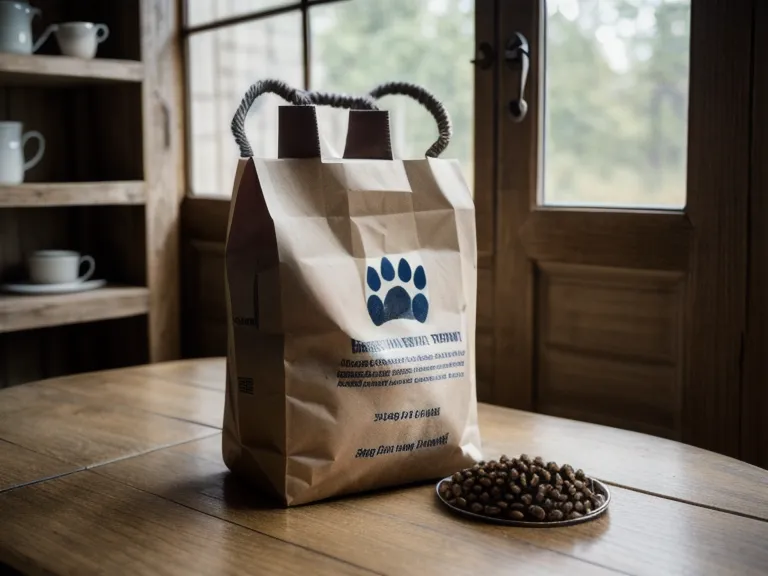
For a large breed dog like Banjo, who officially hit the senior age of 7 years a while ago, this matters. We need to know what’s actually fueling those joints and kidneys after the water is gone. I started looking for 'chicken meal' or 'beef meal' further down the list. While 'meal' sounds less appetizing to humans, it’s actually a concentrated protein source that has already had the moisture removed. It’s the difference between buying a whole bag of fresh spinach that wilts down to a tablespoon and buying the concentrated, cooked version. I realized I was paying for water weight while the marketing copy was selling me on 'fresh meat.'
I remember staring at the spreadsheet and wondering if I'm over-optimizing for a dog who just wants to eat a dropped piece of toast. But then I’d look at Banjo, who was struggling to get up from his rug, and I’d go back to the data. This was a huge part of my data-driven dog parenting approach: moving past the 'fresh' buzzword to find the actual nutritional density.
The AAFCO Rules You Need to Know
Last spring, I spent a few rainy afternoons digging into the AAFCO (Association of American Feed Control Officials) guidelines. If you want to read a label like a pro, you have to understand their naming conventions. For instance, the 'with' rule is a classic. If a bag says 'Dog Food with Beef,' that beef only has to constitute 3% of the total product excluding water. Just 3%. It’s like a 'Blueberry Muffins' box where the blueberries are actually just tiny bits of dyed sugar. When I saw that 3% requirement, I felt a little cheated on behalf of every senior dog owner trying to do the right thing.
For Banjo, I have to be even more careful. The AAFCO minimum protein for adult maintenance is 18% on a dry matter basis. While most high-end foods boast numbers much higher than that, the 'high protein' trend can actually be a bit of a trap for senior Shepherd mixes. As dogs age, their kidneys can become less efficient at processing the waste products of protein metabolism. During a telehealth consult in early spring, the vet pointed out that we weren't just looking for 'more' protein; we were looking for high-quality, highly digestible protein in a controlled amount.
Ingredient Splitting: The Hidden Fillers
A telehealth consult last spring changed how I viewed 'ingredient splitting.' This is a tactic where manufacturers take a single ingredient—like peas—and break it down into several sub-components: pea fiber, pea flour, and pea protein. Because each of these now weighs less than the whole pea would have, they move further down the ingredient list. It’s a way to keep the meat as the first ingredient even if the total 'pea' content actually outweighs the meat.

I started noticing this across several of the brands we tried. I’d see 'Chicken' first, followed by 'Brown Rice,' 'Pea Flour,' 'Pea Protein,' and 'Pea Fiber.' If you added those three pea components together, they’d likely leapfrog the chicken. When I’m preparing for a pet telehealth visit with notes on symptoms, I always bring up these splitting tactics if I notice Banjo’s energy levels dipping after a food switch. Too much filler, even 'healthy' filler like peas, can lead to the kind of afternoon slumps I usually associate with eating a giant bowl of pasta.
It’s also important to note that 'human-grade' is a manufacturing standard, not a nutritional guarantee. It means the food was handled in a way that meets human safety standards, which is great, but it doesn't mean the recipe is balanced for a 9-year-old Shepherd with slowing kidneys. I’ve found that the smell of the food tells a story, too. There’s a distinct, earthy-metallic smell of the kidney-support wet food we tried briefly compared to the fresh-chopped scent of the turkey recipe Banjo usually prefers. The 'human-grade' stuff smells like a Sunday roast, but the utility of the food is what I'm tracking in my Google Sheet.
The Phosphorus-to-Protein Ratio for Senior Kidneys
Here is where I go against the grain of most 'premium' dog food marketing. Everyone is obsessed with high protein right now. But for a senior Shepherd mix, you actually need to keep a close eye on the phosphorus-to-protein ratio. High protein often means high phosphorus, and phosphorus is one of the hardest things for aging kidneys to filter. The AAFCO phosphorus minimum is 0.5%, but for a dog with early kidney concerns, we often want to stay close to that floor rather than aiming for the ceiling.
When I look at a label now, I’m looking for specific meal types and the calculated phosphorus levels. If a brand doesn’t list phosphorus on the bag (and many don't), I email them. It’s part of the data-driven senior dog care I've been doing for Banjo. If a company won't give me the phosphorus breakdown, they don't get my money. It’s that simple. We’ve found that a moderate protein level—around 20-22%—with high-quality ingredients like egg or specific muscle meats, helps keep Banjo’s weight stable and his energy up without taxing his system.

Joint Support: The Glucosamine Gap
Finally, let’s talk about those 'Added Glucosamine and Chondroitin' claims on the front of the bag. For a large breed like a Shepherd, joint health is everything. However, the levels of glucosamine found in standard kibble are often well below therapeutic doses. Just a few weeks ago, I was comparing two bags and realized Banjo would have to eat about 15 cups of food a day to get the joint support his vet recommended.
This is why reading the label isn't just about what's in the bag; it's about knowing what you need to add back in. I’ve found that relying on the food to provide joint support is a bit like relying on a 'vitamin-fortified' cereal to meet all your nutritional needs—it’s a start, but it’s not a strategy. I track his mobility separately in the sheet, noting which days we need to supplement more heavily.
Now, I don't look for the buzzwords. I look for the specific ratios and the hidden splitting tricks. It gives me a sense of control that no marketing copy could provide. Feeding Banjo isn't a chore anymore; it’s a series of informed decisions. It’s about making sure he gets the best version of his golden years, even if it means I spend my Sunday afternoons staring at a spreadsheet while he naps at my feet, dreaming of that piece of toast he’s almost certain I’m going to drop.