
Five fresh food subscriptions in eighteen months, and not one of them explained why Banjo was still pacing the kitchen most nights instead of sleeping through it. That's the assumption plenty of senior dog care advice runs on: if an older dog's energy dips or the nights get restless, swap the food first and sort out everything else later. It took a long stretch of bad nights, a notebook full of numbers, and eventually a pet telehealth subscription to learn that dog supplements and a fresh dog food switch were never going to be the whole fix on their own.
Quick disclosure before any of this goes further: several of the fresh food, supplement, and telehealth brands named below are ones I link through affiliate programs, including Maven Pet, JustFoodForDogs, and ElleVet Sciences. Sign up through a link here and I earn a commission, you pay the same price either way, and nothing gets a mention unless one of my own dogs has actually used it.
The Myth About Senior Dog Care That Had Me Chasing the Wrong Fix
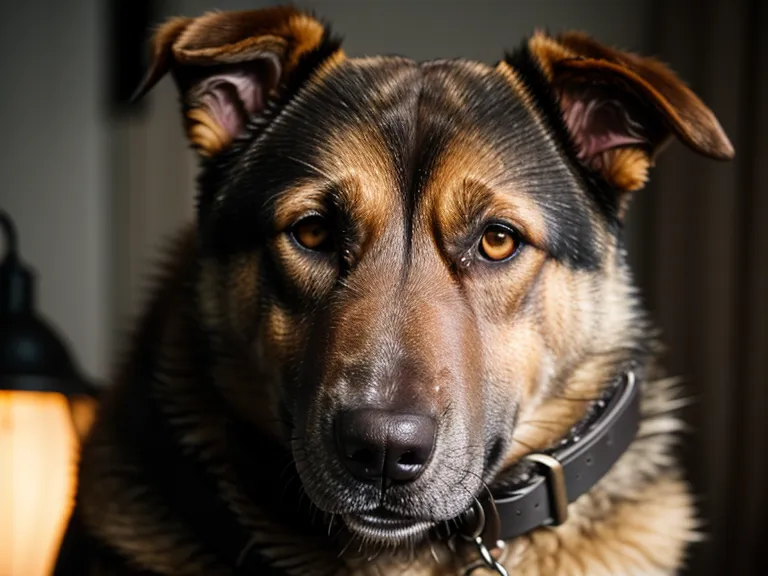
Most of the advice aimed at senior dog owners treats nighttime restlessness like a single-variable problem. Cut the fillers, try grain-free, add a joint chew, and assume the pacing will stop once the bowl changes. Banjo is a nine-year-old shepherd mix with kidney markers that started trending the wrong way a while back, and for a long time I believed the same thing, that if I just found the right bag of food, the rest would sort itself out.
Restlessness in an older dog is rarely just one thing. It can be joint discomfort, mild anxiety, thirst that comes with kidney changes, or some combination that shifts from one day to the next. Treating it as a food problem alone is the myth, and it's an easy one to fall for because food is the variable dog parents feel like they can control without asking anyone's permission.
What My Tracking Sheet Was Actually Missing
The dining table in our rented craftsman bungalow in West Asheville stopped being a dinner table a while back. It's where the laptop and a little Bluetooth keyboard live now, next to the kitchen scale I zero out before every portion, next to a spiral notebook I started calling Bowls and Numbers because typing weight and stool notes into my phone at eleven at night stopped feeling sustainable. Two sets of stainless bowls sit on the shelf under the window, ranked and labeled, because Banjo and Pickle eat different amounts and I gave up eyeballing it a long time back.
There's a small mechanical click when that scale resets to zero between portions, one of those household sounds that means nothing to Pickle and everything to whether I trust the numbers I write down. What the sheet is good at is catching slow drift, weight creeping up or down, a stool consistency that's been off for a few days running. What it never caught was the actual moment things turned around. That happened on an ordinary morning when I walked into the kitchen and found Banjo's bowl already empty, him standing at the back door instead of picking at his food the way he had been for months.
On the flatter loops out at Bent Creek Experimental Forest, I'd started noticing Banjo hanging back instead of trotting ahead of Pickle the way he used to. That kind of thing never shows up in a weight column. A tracking sheet, or any of the switch-tracking templates other dog owners swap around online, only tells you what you thought to measure, and mine was built almost entirely around food.
Why Did Pet Telehealth Fill the Gap Our Local Clinic Couldn't?
Our local clinic didn't have an opening for the better part of a month when I called about the pacing, which is a long stretch to sit with a senior dog who has early kidney numbers and nights that keep getting worse. That gap is what pushed me toward Maven Pet, mostly because their setup pairs continuous behavior tracking with same-week access to a vet, and I wanted someone who could look at actual patterns instead of a two-minute recap I'd half-remember by the time I got a callback.
The value wasn't a replacement for hands-on care. A telehealth vet can't feel a joint or run bloodwork through a screen, and anyone selling it as a full substitute for an in-person exam is stretching the truth. What it did well was triage, sorting out which of Banjo's symptoms needed an in-person follow-up and which ones were manageable at home with a plan. That distinction matters more than people give it credit for when you're deciding whether a strange symptom can wait until Monday or needs a same-day answer.
Stacking Dog Supplements Doesn't Work the Way People Assume
Once the telehealth vet flagged possible joint discomfort layered on top of the kidney issue, the obvious move seemed to be adding something, anything, that might help. I added salmon oil capsules to both dogs' bowls for three weeks, thinking a little extra fat couldn't hurt either of them. It wasn't until I flipped back through the notebook that I connected the timing to Pickle's loose morning stool, not to any change in Banjo's sleep, which had nothing to do with what I was actually trying to fix.
The mistake wasn't the salmon oil itself, it was adding it to two different dogs' routines at the same time I was also changing other things, which meant a stretch of notebook entries that told me nothing useful about either problem. A new food takes time to settle in a dog's gut before you can trust what the stool is telling you, and layering a supplement on top of that muddies which change gets the credit. Joint supplements in particular seem to need real time before you can honestly judge whether they're doing anything, and stacking one on top of an existing CBD routine just adds another variable to a system that already had too many.
My old college roommate, Rachel Dunbar, now a few states away but still the first person who reads my drafts for anything too jargon-heavy, made me rewrite that last paragraph three times until it made sense to someone who isn't tracking two dogs in a spreadsheet. I've written before about the same pattern in Data-Driven Senior Dog Care, and this round confirmed it again: standard supplement advice assumes a healthy dog's baseline, and it can genuinely work against a dog with kidney concerns if nobody's checking what's actually going into the bowl.
Does Fresh Dog Food Alone Fix Kidney Numbers?
Not by itself, no, but it's the foundation everything else sits on. By spring we'd moved off the rotating cast of beef-and-potato recipes and onto JustFoodForDogs, whose veterinary diet line is formulated by nutritionists for cases like Banjo's and uses USDA-grade ingredients I can actually name out loud. The exact reasoning behind kidney-support recipes, the bloodwork numbers that make one formula more appropriate than another, is its own deep subject and not something I'll pretend to fully unpack here.
Switching foods for a dog with kidney concerns isn't something to rush either, and the households that do it fastest tend to be the ones dealing with a stretch of stomach upset afterward. We took it slow, mixing old and new over several days, and logged Pickle's weight right alongside Banjo's in the same comparison sheet from the JustFoodForDogs vs Ollie writeup. Energy stabilized during the day fairly quickly. The nighttime pacing did not, which told me the food had done its part and something else still needed solving.

Getting the CBD Ratio Right Took Longer Than I Expected
A couple of generic CBD oils from the local pet shop hadn't done much besides give Banjo a glassy look while the pacing continued. During a telehealth check-in we talked about Cannabidiolic acid, CBDA for short, together rather than CBD alone, since the ratio between the two seems to matter for how well a dog actually absorbs it, something I'll leave to people with an actual pharmacology background to explain rather than guessing at the mechanism myself.
We started Banjo on ElleVet Sciences's senior formulation, and it wasn't an overnight fix, more a gradual softening of the pacing that I noticed before I could point to the specific day it changed. If you're comparing options, I've gone deeper into how to sanity-check bioavailability and dosing in Choosing Between ElleVet Sciences and Generic CBD, since not every CBD product on a shelf is dosed the way its label suggests, and that's worth checking before assuming a low dose failed rather than a mislabeled one.

The Corrected Rule for Nights Like These
So here's the corrected version of the myth I started with. A senior dog's restlessness isn't a single-variable problem you can solve by swapping the kibble, and no amount of spreadsheet discipline replaces watching for the actual signal, whether that's a bowl that's suddenly empty, a walk where he hangs back, or a night that goes quiet for no obvious reason. Track behavior alongside food, not instead of it, and bring the pattern to a vet, telehealth or otherwise, before you start stacking supplements on a guess.
These mornings, the kitchen is mostly quiet before either of us needs it to be. Banjo's bowl is empty before I've finished pouring Pickle's, and he's waiting by the back door instead of nosing food around the floor the way he used to. I still keep the notebook. The entries are just more boring now, which might be the actual point of any of this.
If you're just starting this same stretch with your own senior dog, my honest advice is to start logging something, anything, before you assume the food is the whole problem. And if your local clinic is booked out the way ours was, Maven Pet is the tool that finally helped me connect what was happening at night to what actually needed fixing during the day.