
How many nights of a dog draining the water bowl before summer heat stops being a good enough explanation for a senior dog?
Tara Bousfield DMed me last week from our West Asheville dog owners group, asking how she'd even know if her old lab needed a renal support diet change the way Banjo did, not a fresh dog food ad or a pet telehealth pitch, just what actually shows up at home before any of that gets involved. She said she trusts a rambling explanation over a bag's back-panel promises any day, so here's mine.
Quick disclosure before the tracking talk starts: several of the food and telehealth links below are ones I get a small commission from if you sign up, at no extra cost to you. Every one of them got paid for out of my own account first and tested on both dogs for weeks before I wrote a word about it.
The First Signs of a Senior Dog's Renal Shift
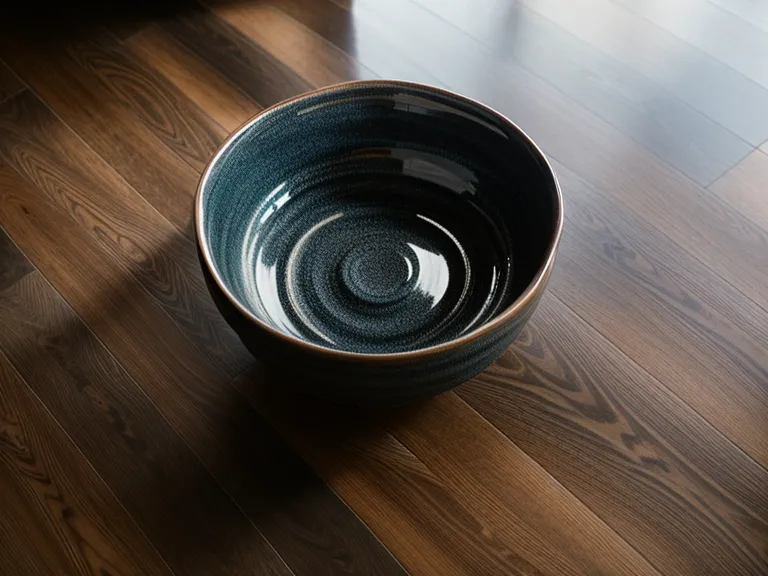
The water bowl was the first tell. Banjo has never been a big drinker, content to sip and wander off, and somewhere around late fall that changed into full laps, three and four times in an evening, loud enough to hear from the next room. A bowl that used to stretch two days started needing a refill by dinner.
A few things are worth writing down before a vet visit confirms anything. Whether a bowl empties in under a day when it used to last longer. Whether your dog noses around food instead of diving straight in, eating half and wandering off like the rest wasn't worth the trip. Whether trips outside start clustering at odd hours instead of the usual routine. None of those alone means much. Together, over a couple of weeks, they're a pattern.
Before any of that clicked, I tried rotating two kibble brands on a two-week cycle, thinking variety alone might settle his appetite back down. The kitchen smelled like a fish market some weeks, a bag left open on the counter between pours, and Banjo still came off that rotation almost a pound lighter than he went in. Variety wasn't the fix. Paying attention to what he was telling me with the bowl was.
Keeping Two Diets From Colliding
Multi-dog households complicate every part of this. Banjo is the senior shepherd mix with kidneys that need less to filter. Pickle, the four-year-old beagle rescue, eats like every meal might be her last and has zero interest in whether it's her bowl or his, she wants both. If Banjo swipes a few bites from her side, he's picking up more phosphorus than his kidneys need extra of right now. If Pickle steals his renal food, she's shorting her younger body on protein it actually wants.
Segregated mealtimes ended up non-negotiable, Banjo eating behind a latched laundry room door, Pickle in her crate, both of us adjusting to a routine that felt more like scheduling than dinner for the first couple of weeks. Those early logistics weeks are their own headache, and I wrote up more of what helped in managing senior dog health when the local vet is booked out.
A Fresh Food Switch That Worked
JustFoodForDogs ended up being the fresh food switch that stuck, mostly because it's formulated by veterinary nutritionists with USDA-grade ingredients and has a kidney-specific line that didn't require a prescription to order. It's not the cheapest bag on the shelf, the per-day cost runs higher than a standard premium kibble, and delivery windows can be tight if your freezer's already full. But Banjo kept eating it the way he ate his food before the diagnosis, no nosing around, no half-finished bowls.
Sam from across the street, who's spent most of the spring trying to get Pickle to take his backyard agility course seriously and losing every weekend, asked on one of our French Broad River Greenway walks whether Banjo's slower pace was just age catching up. Pointing to a specific week and a specific food change, instead of shrugging and saying senior dog things, felt like the first real answer I'd had for anyone, including myself.

What Pet Telehealth Caught That Waiting Never Would
By the time our local clinic stopped doing same-week appointments, waiting for a quarterly checkup to confirm whether a diet was working stopped making sense. I signed up for Maven Pet, which pairs daily behavior logging with vets who can actually look at that log in real time instead of reconstructing six weeks from memory during a fifteen-minute slot.
Instead of guessing whether Banjo was drinking too much, I logged the bowl trips and let the pattern speak for itself. When his energy dipped for a few days straight, I didn't wait for a $400 emergency visit to ask about it, I got on a call. Half the time the answer was as simple as adding warm water to his JustFoodForDogs meals to make them easier to finish.
For anyone comparing renal-friendly recipes directly, I broke down the phosphorus counts in JustFoodForDogs vs Spot and Tango for senior dogs with kidney issues, which is the kind of spreadsheet-brained comparison my UX research background can't help but produce.
Five Weeks In: What Actually Changed
Five weeks into the new routine, the notes stopped reading like noise and started reading like a trend. Weight held inside the same half-pound margin the whole time, which mattered more than expected, since renal food runs lower in calories and I'd half-braced for him to drop weight the way he had during that kibble rotation.
One rainy morning, Pickle cleared the back porch steps two at a time, ears flying, and Banjo followed right behind her without the pause he'd had all winter. Small thing. It's also exactly the kind of moment a spreadsheet cell can't capture, just a shepherd mix keeping pace with a beagle again.
Restless nights got their own separate fix once his appetite stopped being the loudest problem. ElleVet Sciences chews went into the rotation for that, dosed on the concentration chart for his size, and it took a few weeks of consistent use before I trusted the difference wasn't just a good week.
Preventatives still needed covering while more of the budget went toward specialized food, so Canada Pet Care kept that side manageable, heartworm and flea prevention at pharmacy pricing instead of the full clinic markup.
Mobility questions came up around the same stretch, a separate rabbit hole I get into in joint support for large breeds, worth a look if a senior dog is slowing down alongside any of these renal signs.
The lesson that actually stuck wasn't which brand won. It was that the boring stuff, bowl frequency, how fast the water disappears, whether a nose lifts out of the food after three bites, tends to flag a problem long before labs do. If your dog's water bowl has started sounding like an appliance running in the next room, JustFoodForDogs is where I'd start looking, same as I did.