One rainy evening last November, I sat on the kitchen floor with Banjo's latest bloodwork results, feeling that familiar UX-researcher urge to map out a problem that felt too big to solve. The kitchen light was dim, the rain was steady against the window, and Banjo, my nine-year-old shepherd mix, was resting his chin on my knee. I had his labs in one hand and my laptop in the other, the screen glowing with a spreadsheet that had grown to nearly forty rows of data over the last eighteen months. It was a map of everything he’d eaten, every walk we’d taken, and every 'off' morning he’d had.
Before we dive into the data, heads up: most of the dog food, supplement, and telehealth brand links you’ll see here are affiliate links. I earn a commission if you start a subscription through one, though it’s at no extra cost to you. I’ve personally tested everything mentioned with my own credit block-e545eb and my own dogs—usually while Banjo or Pickle watches me type from their rugs. The longer transparency note is over on the About page.
For a long time, I thought I was doing everything right. We had rotated through all the big names—The Farmer’s Dog, Ollie, and Nom Nom—treating them like a rotating lunchbox for a picky kid. I was convinced that 'fresh' was the ultimate goal. But looking at that printout, the reality was staring back at me in black and white: Banjo’s creatinine levels were officially drifting into Stage 2 territory according to the International Renal Interest Society (IRIS) standards. Even with the best maintenance fresh food, his kidneys were struggling to keep up with the processing work I was asking them to do.
The Fresh Food Trap: When 'Healthy' Isn't Specific Enough
My Google Sheet revealed a hard truth that I had been avoiding for months. While standard fresh food is undeniably 'healthier' than brown-bag kibble, the protein and phosphorus levels in those general maintenance recipes were still too taxing for Banjo's aging system. I had been so focused on the quality of the ingredients that I had overlooked the chemical load they placed on his renal function. It’s a lot like a coffee club where you love the beans, but eventually, your stomach tells you that three cups of high-acid roast every morning just isn't sustainable anymore.
In the world of pet nutrition, we often hear that fresh food is the gold standard. And for a healthy adult dog like my beagle rescue, Pickle, it is. But for a senior dog with flagging numbers, the 'one size fits most' approach of many subscription services can be a hidden stressor. I spent that night staring at my Google Sheet at midnight, debating if a 0.2% difference in phosphorus was worth a total diet overhaul for a senior shepherd. It sounds like such a tiny number—a rounding error in any other context—but when you’re managing Chronic Kidney Disease (CKD), that fraction is the difference between a dog who wants to play fetch and a dog who spent the morning staring at his bowl with a heavy sigh.

I realized that the high protein levels that make brands like Ollie or Spot & Tango so great for active dogs were actually becoming a liability for Banjo. Most standard fresh foods aim for high protein to support muscle mass, but that protein brings phosphorus along with it. While maintenance diets often exceed 1.0% phosphorus on a dry matter basis, a therapeutic renal diet needs to be much lower. This led me to read dog food ingredient lists with a much more clinical eye than I ever had before.
The Turning Point: Discovering JustFoodForDogs Renal Support
The turning point came when I realized I didn't want to go back to the 'gray mush' in the cans from the local clinic. You know the stuff—the traditional prescription diets that smell like a copper pipe and have the texture of damp cardboard. I wanted the benefits of fresh, whole food, but with the precision of a prescription. That’s when I found the JustFoodForDogs Renal Support recipe. Unlike the standard fresh plans I’d used, this wasn't just a 'senior' formula; it was a specifically formulated veterinary diet.
What struck me first was the transparency. They used 100% USDA Grade ingredients—the same stuff I’d buy at the grocery store for my own Sunday dinner. But the nutritional profile was strictly controlled. We’re talking about phosphorus levels in the 0.3% to 0.6% range, which is exactly where Banjo needed to be to keep his IRIS Stage 4 risk at bay. It was a middle ground I didn't know existed: real food that actually respected the limitations of his kidneys.
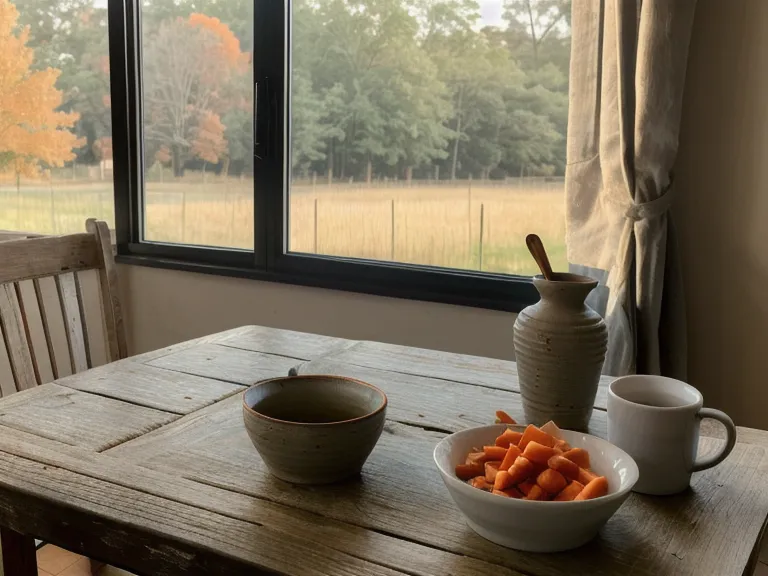
I remember one cold morning last February, about a week into the transition. I opened the first bag and was hit by the visible texture of real diced carrots and rice. It didn't have that metallic, clinical scent of traditional prescription canned food. It smelled like... food. Banjo, who had been getting increasingly 'meh' about mealtime, actually did a little tap-dance on the linoleum. For a researcher, the data is the energy, but for a dog parent, the dance is everything.
The Six-Week Journal: Tracking the Transition
If you’ve read my notes on managing Banjo’s senior health transition, you know I don't take a brand's word for it. I track everything. After about six weeks on the renal recipe, I started seeing the 'why' behind the switch show up in my spreadsheet. His weight, which had been fluctuating during our time with Nom Nom, stabilized within a half-pound range. His energy levels in the late afternoon—the time when he usually crashed on the rug—seemed to sustain through our evening walks around the block.
But the most telling metric was his stool quality. On high-protein fresh diets, he’d often have these soft, inconsistent days that made cleanup a chore and indicated his body was struggling to process what I was giving him. On the JustFoodForDogs renal plan, things became boringly consistent. In the world of senior dog care, 'boring' is a luxury. It meant his digestive system wasn't working overtime, and his kidneys weren't being flooded with waste products they couldn't filter.
I also appreciated that I could order this without jumping through the same hoops as other prescription diets. While they do offer a full veterinary line that requires a sign-off for specific chronic cases, their support for early renal issues feels much more accessible than the locked-down systems of the big legacy brands. It felt like I was finally treating his health with the same nuance I bring to a UX project: identifying the specific bottleneck (phosphorus and protein load) rather than just throwing more 'quality' at the problem.
Managing the Logistics: Telehealth and Pharmacy Needs
Switching diets isn't just about the food; it’s about the ecosystem supporting the dog. Because our local clinic in Asheville stopped doing same-week appointments last year, I’ve had to get creative. When Banjo’s sleep got rough during the transition, I didn't just guess at the cause. I used my Maven Pet subscription to check in with a vet via telehealth. Being able to upload photos of his meals and his tracking sheet to a professional who could respond within the day was a game-changer.
They helped me realize that the transition period needed to be even slower than I’d planned—ten days instead of five—to let his enzymes catch up. This kind of telehealth support is what allows me to manage a senior dog’s complex needs without the stress of the emergency vet waiting room. It also pairs well with keeping his preventatives on track through budget-friendly pharmacies, which keeps the overall 'dog budget' from spiraling while I invest more in his specialized food.
I’ve found that Maven Pet is particularly useful for senior care because their AI-driven tracking can surface behavior changes—like Banjo pacing more at night—long before I would have noticed them as a pattern. It’s that extra set of eyes that every researcher loves to have on a project.
The Reflection: Late Summer 2026
Looking back from late last month, the decision to leave the 'standard' fresh food world for a specialized renal path was the right move. I still love the concept of fresh food, and Pickle is still thriving on a rotation that includes some of the brands we used to use. But for Banjo, the 'middle ground' of JustFoodForDogs provided something the others couldn't: a reduction in the work his body had to do every single day.

We often think that more is better—more protein, more ingredients, more 'superfoods.' But for a senior dog with kidney concerns, 'better' often means 'less.' Less phosphorus, less taxing protein, and less mystery. By focusing on that 0.3% to 0.6% phosphorus window and insisting on USDA-grade ingredients, I’ve been able to give Banjo a quality of life that my spreadsheet says shouldn't have been this stable a year ago. It’s about matching the routine to the reality of the dog you have today, not the dog you had three years ago.
If you're staring at a similar set of lab results or just noticing that your senior dog isn't bouncing back from meals the way they used to, it might be time to look past the general 'fresh' labels. You don't necessarily need to settle for the clinical mush if you don't want to. There is a way to keep the diced carrots and the real rice while still protecting those vital organs. For us, that path led straight to JustFoodForDogs, and based on the way Banjo is currently napping—deeply and without the restless pacing of last year—I’d say the data supports the decision.
Before you make a major switch, I always recommend starting your own tracking sheet. Note the energy, the stool, and the appetite. And if you’re looking for that specialized support that maintenance plans just can’t offer, you can find the current recipes and subscription options over at the JustFoodForDogs website. It might just be the pivot your senior dog’s kidneys are waiting for.